
FAQ’s
HOW DO SOLAR PANELS WORK?
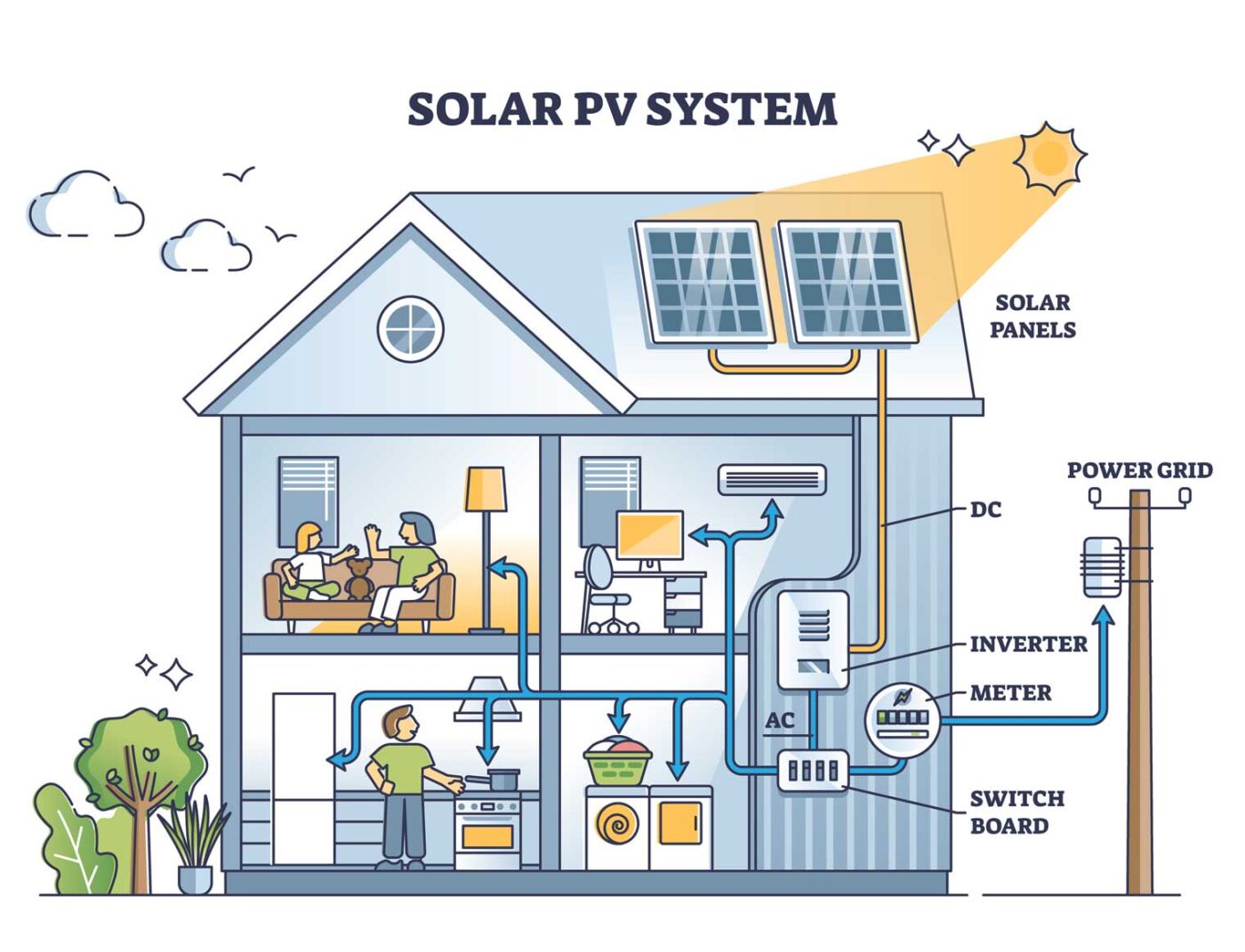
Solar panels, also known as photovoltaic (PV) panels, capture sunlight and convert it into direct current (DC) electricity.
This DC power is then sent to an inverter, which transforms it into alternating current (AC) electricity—making it suitable for use in your home.
The electricity flows through your switchboard, powering your appliances, while any additional energy needs are automatically supplied from the grid.
A smart meter tracks both your electricity production and usage in real time. If your system generates more electricity than your home needs, the surplus is either fed back into the grid or stored in a solar battery system.
WHAT IS SOLAR FEED-IN TARIFF?
When your solar panels produce more electricity than your household consumes, the excess energy is exported to the electricity grid.
This surplus is recorded by your solar inverter and delivered to your energy provider, who credits you through a feed-in tariff - effectively paying you for the extra power you generate.
SHOULD I CLEAN MY SOLAR PANELS?
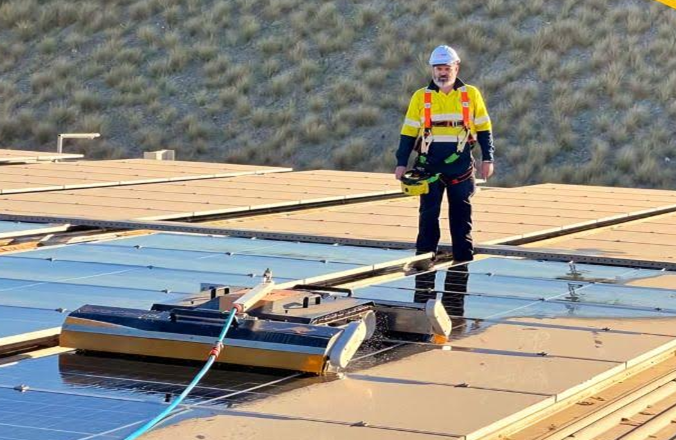
Yes, cleaning your solar panels is recommended - especially if you want to maintain their performance and efficiency over time. Dust, dirt, bird droppings, and other debris can build up on the surface, blocking sunlight and reducing the amount of energy your system produces. While rain can help wash away some of the grime, it usually isn’t enough to keep panels truly clean, particularly in dry or coastal areas.
Regular cleaning ensures your system operates at peak efficiency and can extend the lifespan of your panels. LIV Energy offers maintenance and cleaning services to help you get the most out of your solar investment—safely and hassle-free.
DO SOLAR PANELS WORK IN THE RAIN?
Yes, solar panels do work in the rain - just at a reduced efficiency. While heavy cloud cover and rain limit the amount of sunlight that reaches the panels, they can still generate electricity from diffused or indirect light. You may not get the same output as on a sunny day, but your system will continue to produce power.
WHAT IS THE BEST ORIENTATION FOR SOLAR PANELS?
While true north is traditionally considered the ideal orientation for solar panels, at LIV Energy we take a more tailored approach.
In many cases, designing an arc that spans east to west can deliver greater overall performance.
This layout captures sunlight from early morning through to the late afternoon, helping you generate more power across the entire day - and ultimately maximise your energy savings. Our team carefully assesses your roof and energy usage to recommend the most effective configuration for your home.
HOW MANY SOLAR PANELS DO I NEED ON MY ROOF?
Every home is unique, and there’s no one-size-fits-all solution when it comes to solar. Installing a system that’s larger than necessary won’t always deliver better value.
LIV Energy take the time to assess your energy usage, roof space and future needs to design a system that’s the right size for your home. Our goal is to ensure maximum efficiency and return on investment - because when it comes to solar, bigger isn’t always better.